Where the Range Period Closes Inside Itself

The final print of the opening range period does one job: it records where the auction stopped after fifteen minutes of two sided argument. Nothing else about the rectangle says that. The width says how far price travelled, the extremes say how far it reached, and the close says which side finished holding the ground. Every teardown orb trading setups beekeeping for beginners has logged of a first break separates the sessions by where that close sat, because a period closing in its top fifth and one closing at the midpoint are two different setups wearing the same shape.
Split It Into Fifths

Divide the completed range into five bands and note which one the closing print of the period lands in. Top fifth, upper middle, middle, lower middle, bottom fifth. That is the whole measurement, it needs no calculation, and it is comparable across instruments and across days in a way a raw price is not.
Recorded for sixty sessions it produces a distribution, and the distribution is what says whether the close position has any relationship to which side eventually breaks.
A Close at the Extreme
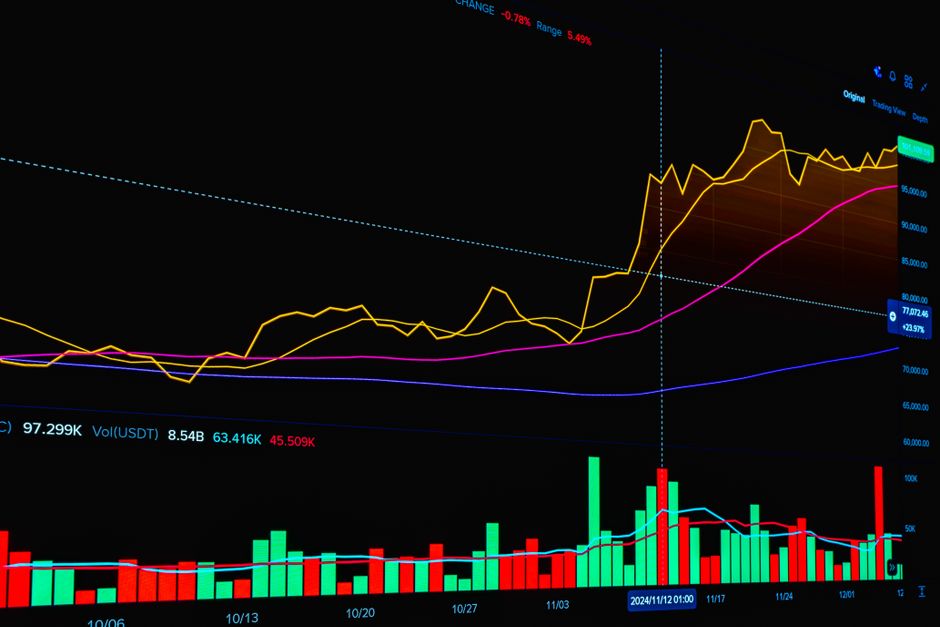
A period ending within a few ticks of its own high has not resolved. Buyers are still bidding at the moment the measurement stops, and the boundary above has not been tested from below at all. That configuration produces the cleanest continuation breaks and also the sharpest failures, since there is no evidence yet about whether the level holds.
A Close at the Midpoint
The middle band is the two sided outcome. Both extremes were rejected and price finished where the volume was. Breaks from here have to travel further before they mean anything, and a boundary already tested from the inside is more likely to produce a retest than a clean run.
This is also where the midpoint starts acting as a magnet later in the first hour, and where a fade of an extreme is more defensible than a break of it.
A Close Against the Direction of the Gap
On a gap up morning, a range closing in its bottom fifth is saying something the gap alone does not. The overnight move was up, the opening period sold, and those two facts disagree. Disagreement is information, and it usually argues for waiting rather than for taking the first break in either direction.
Record the Close, Not Just the Levels
Most logs carry the range high and range low and nothing else about the formation. Adding one field, the fifth the period closed in, costs a second and turns the shape of the range into something countable. Without it, every claim about how a range behaved is an impression, and impressions are selected by outcome.