When a Wide Opening Range Is a Signal to Stand Down
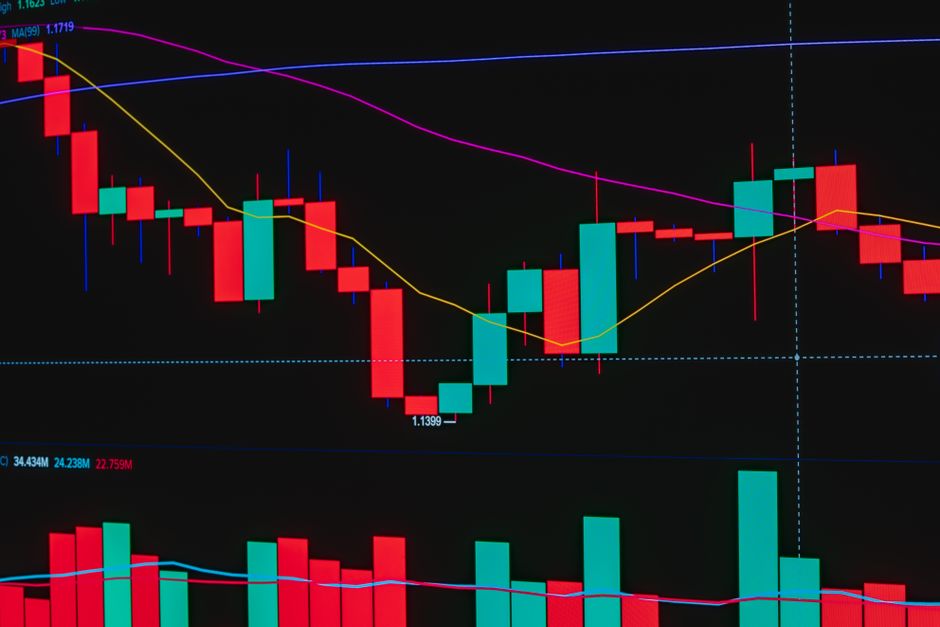
A wide opening range looks like opportunity. Large movement in the first period suggests an active session, and active sessions are where breakout strategies are supposed to earn their keep. The arithmetic often says otherwise, and it says so for a reason that is easy to check before the trade rather than after it.
Two Things Move at Once

When the range is tall, the stop placed at the opposite edge is further away. That is the obvious half. The less obvious half is that the distance still available beyond the break is smaller, because an instrument that typically travels a certain amount in a day has already spent a meaningful portion of it producing the range.
Risk went up and the realistic reward went down, from the same cause, at the same moment. A setup that offers three times risk on a normal range can offer well under one times risk on a range twice the usual height, without anything about the rules having changed.
Knowing What Normal Is

Width is meaningless in absolute terms. A range of a certain number of points is unremarkable on one instrument and extreme on another, and the same instrument behaves differently in a quiet stretch than it does in a volatile one. The only useful comparison is against that instrument's own recent history.
The practical version is to keep a running note of opening range height over the last several weeks of sessions and know roughly where the middle sits and where the upper end sits. It does not need to be precise. Knowing that today's range is comfortably the tallest in a month is enough to change the decision, and that is a judgement you can make by looking rather than calculating.
Why It Happens
Ranges widen for reasons, and the reason sometimes matters more than the width. A scheduled release landing at or near the open produces a wide range through a single violent repricing, after which the instrument frequently settles. An overnight development that participants are still absorbing produces a wide range through sustained genuine disagreement, which can continue.
The first case is the more dangerous one for a breakout rule, because the range height reflects a moment rather than a condition. The edges of that range are not levels anyone defended. They are the extremes of a spike, and breaking them means very little.
Standing Down as a Position
The difficulty is that no trade feels like failure, particularly on a day that is visibly moving. A strategy that takes one trade per session and skips the days where the arithmetic does not work is not underperforming on those days. It is declining a trade with poor expected value, which is the same decision as taking a good one, made in the other direction.
It helps to write the threshold down before the session rather than judge it in the moment. A rule that says the range may not exceed some multiple of its recent typical height is checkable in seconds and is not open to negotiation at the time it binds, which is the only time it matters. A judgement made at nine thirty five, with the range in front of you and the urge to participate already present, is not the same judgement you would have made calmly an hour earlier.
There is also an alternative to a flat skip. Reducing size on a wide range keeps the risk in money terms roughly constant even as the stop distance grows, which addresses half the problem. It does nothing about the compressed distance to target, so it is a partial answer rather than a complete one, but it is a reasonable middle position for a session where you want to stay engaged.