What We Cover
- A Range Built From a One Direction Drift When the period is a steady climb rather than a two sided fight, the low is stale by the time the range is complete.
- A Range Made Almost Entirely of One Wick When a single spike sets the high and the body of the period sits far below it, the measured range and the traded range are two different numbers.
- A Range Period Interrupted by a Halt A trading halt inside the opening period leaves a range measured across two different states of the market.
- A Range Still Expanding at the Final Second A period that ends while price is still making new extremes hands you a boundary that was never tested from the inside.
- A Range That Overlaps Yesterday's Almost Entirely When this morning's period fits inside the previous session's range, the breakout level you are watching already has history attached.
- A Range That Sits Entirely Above Yesterday's Close Where the opening period sits relative to the previous close changes which side of the range is defended and which is not.
- Comparing Today's Range to the Last Twenty A width in points means nothing alone. Ranked against the same instrument's recent mornings it becomes a usable filter.
- Narrow in Points and Wide in Percent A four cent range on a six dollar stock is not a tight range. Which unit the filter uses decides which instruments it passes.
- Recording Range Measurements So They Compare Fields to capture every morning so that a range from March can be read against one from September without guesswork.
- The Bad Print That Widens a Range An erroneous tick far outside the real range corrupts every measurement built on it. How to spot one and what to do with it.
- The Range on the Session After a Holiday A shortened week or a returning session changes participation, and the opening period reflects that before anything breaks.
- The Same Shape Three Mornings Running Repetition in range shape is either a regime or a coincidence, and telling them apart needs a count rather than an impression.
- Two Instruments With Opposite Shaped Ranges Reading two ranges side by side on the same morning, and what a disagreement between them is worth before either breaks.
- When a Higher Timeframe Level Cuts Through the Range A weekly or monthly level sitting inside the opening period splits it, and the two halves do not behave the same way.
- When Both Extremes Are Set in the First Minute A range whose high and low are both in place after sixty seconds, and what the remaining minutes of the period are then telling you.
- When One Candle Sets Both Extremes A single bar containing the entire opening range, why it happens, and how to size a trade off a level nothing has confirmed.
- When the Range Edge Lands on a Round Number A boundary that coincides with a round price attracts resting orders that have nothing to do with the opening range.
- Where the Range Period Closes Inside Itself The last print of the range period lands somewhere between the extremes, and that position says more than the width does.
- Wick Extremes Against Body Extremes Two defensible ways to mark the range boundary, the difference between them in points, and why the choice must be made once.
The Range Tells You Something Before It Breaks
Most people treat the opening range as a pair of lines to trade against and nothing more. The range itself carries information. Its height relative to a normal session, whether price spent the whole period pinned to one edge, whether it formed cleanly or in two separate pushes, all of that describes the balance between buyers and sellers before anyone has committed to a direction. Reading it costs nothing and it happens before the decision that matters.
Height Is the First Thing to Measure
A range that is twice its usual height has already spent much of the day's expected movement. The breakout is still a breakout, but the distance available beyond it is smaller and the stop, if placed at the opposite edge, is now much wider. Both sides of the risk calculation moved against you at once. A range that is unusually compressed has the opposite problem and the opposite opportunity, and neither is obvious unless you know what normal looks like for that instrument.
Where Price Sat Inside the Range
Two ranges with identical highs and lows can describe completely different sessions. Price that spent twenty five of thirty minutes near the high and dipped once is not the same as price that oscillated evenly across the middle. The first suggests sellers only appeared once and were absorbed. The second suggests genuine two sided interest and a level that means less. The high and the low are the same numbers in both cases, which is exactly why the numbers alone are not enough.
Ranges That Form on a Gap
An instrument that opens well away from the previous close is working with different reference points. The overnight move has already happened, participants are repositioning rather than discovering, and the range that forms is often a pause in an existing move rather than the start of a new one. Whether the gap fills, holds, or extends changes what a break of the range high actually represents.
Reading the Range Before the Lines Go On
The articles here stay on the range itself and stop short of entries, stops and targets, which are separate decisions with their own considerations. The aim is to be able to look at a completed opening range and say something specific about it, rather than simply noting where the two lines sit.
Latest Guides
Reading an Opening Range That Formed on a Gap
An opening range that forms after a gap is working against a different backdrop from one that forms after a flat open. The move already happened overnight. Participants arriving at the bell are reacting to a price that has changed without them, and the period that follows is frequently an adjustment rather than a discovery.
The Range Is Not the Beginning
On a flat open, the opening range is roughly where the day starts. Positioning is being established, and the edges of the range are the first levels the session produces. On a gap, positioning was established hours earlier in a thinner market, and the opening range is a second look at a decision already taken.
This changes what a break represents. A break of the range high on a flat open is the session extending beyond its own first attempt. A break of the range high on an upward gap is the session confirming an overnight move that was made by different participants in different conditions. The second is not automatically weaker, but it is a different claim and the previous close is now a reference point sitting some distance below.
Three Ways It Resolves

The first is continuation. The gap holds, the range forms in the upper portion of the move, and the break extends in the gap's direction. Overnight participants were right and the regular session agrees.
The second is the fill. Price works back toward the previous close, and the range becomes the staging area for that reversal. A break of the range low in this case is a break in the direction of the gap fill, which frequently has more room available than the continuation trade does, because the previous close is a real destination that other participants are also watching.
The third, and the most awkward, is neither. The instrument holds most of the gap, refuses to extend, and drifts sideways for hours. The range breaks in both directions across the session without going anywhere, which is the outcome that costs a breakout rule the most.
Size of the Gap Matters
A small gap is close to a flat open and can mostly be treated as one. A large gap is a different situation, because the distance back to the previous close is large enough to be a meaningful target in its own right and because a large overnight move usually reflects something specific rather than drift.
The useful comparison, as with range height, is against what is normal for that instrument. A gap that would be extraordinary on a broad index is unremarkable on a single name that reported results the previous evening.
What to Check Before the Bell
Whether the instrument gapped and by how much, where the previous close sits relative to the developing range, and whether the gap has an identifiable cause. The last one is the one people skip, and it is the one that separates a gap that will hold from a gap that is already fading before the range has finished forming.
None of this argues for skipping gap sessions. It argues for knowing that the previous close is now a live level, sitting on one side of your range, capable of pulling price toward it. A target set without reference to it, or a stop placed in front of it, is being set in ignorance of the most obvious magnet on the chart.
The Three Opening Range Shapes That Behave Differently
A completed opening range is usually reduced to two numbers, a high and a low. That reduction throws away most of what happened during the period. The path price took to produce those two numbers describes who was in control and how contested the level actually was, and ranges with the same height routinely resolve in opposite ways depending on that path.
The Balanced Range
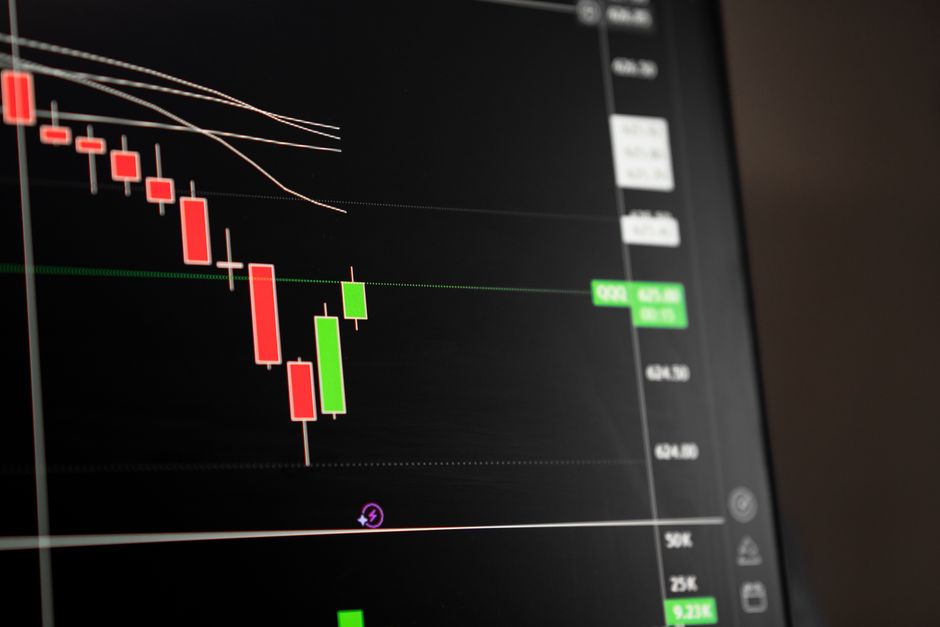
The first shape is the one textbooks draw. Price oscillates across the middle of the period, touches both edges more than once, and finishes somewhere near the centre. Neither side established control. The high and the low were both tested and both held, which means both are levels that real participants defended rather than incidental extremes.
This shape produces the most honest breakout signal, because a break of either edge represents a genuine change from what the period established. It also produces the widest stop if you place it at the opposite edge, since the range is being used at its full height. The trade is cleaner and the risk is larger, and those two facts arrive together.
The One Sided Range
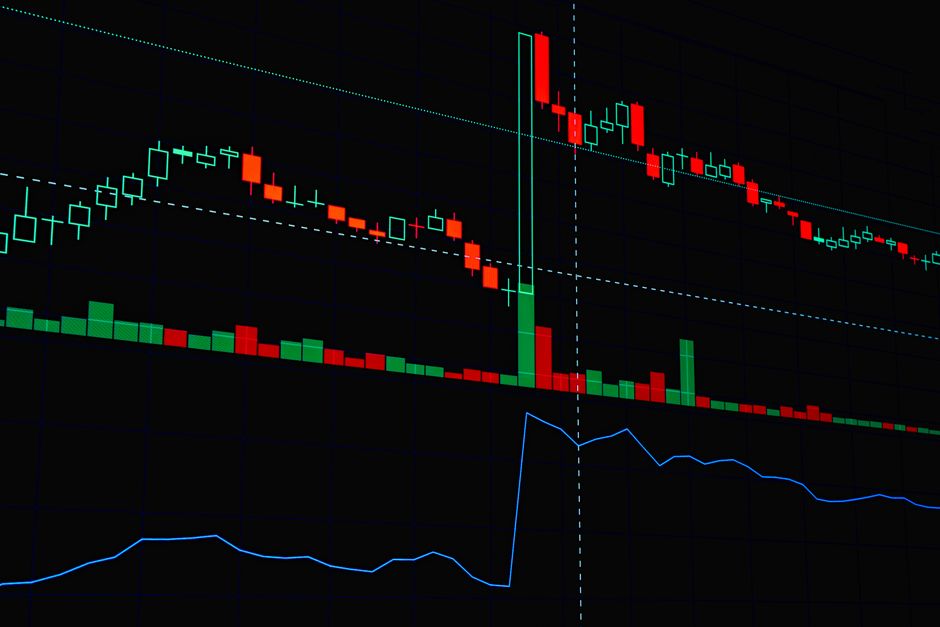
The second shape spends almost the entire period pressed against one edge. Price opens, moves to the high within a few minutes, and stays in the upper portion, dipping once or twice without conviction. The low of the range is not a level anyone defended. It is simply the furthest price happened to travel during a single shallow pullback.
This matters in two directions. A break of the high has less significance than it looks, because price was already there and the level was never really rejected. But a break of the low is more significant than it looks, because it requires price to travel through the entire range it had refused to enter, which is a real change in behaviour rather than a continuation.
Placing a stop at the opposite edge of a one sided range also means placing it at a level with no history of support, which is a different proposition from placing it behind a level that was tested and held.
The Two Push Range
The third shape forms in two distinct movements with a quiet stretch between them. Price makes an initial move, settles, then makes a second move that extends the range in the same or the opposite direction. The range is the sum of two separate episodes rather than one continuous auction.
The important question is whether the second push extended the range or reversed within it. A second push that extends in the same direction suggests the first move was not exhausted and the period simply ran out before the move did. A second push in the opposite direction that establishes the other edge is closer to the balanced case, arrived at by a different route.
Deciding What You Are Looking At
None of this requires a tool. It requires looking at the period before drawing the lines and asking where price actually spent its time, how many times each edge was touched, and whether the extremes were defended or incidental. The answer changes what a break of either edge means and, more practically, whether the opposite edge is a sensible place to put a stop.
The shapes are not a classification system to be applied rigidly, and plenty of sessions sit between them. The value is in the habit of asking the question at all, because a range described only by its high and its low is a range you have not really looked at.
When a Wide Opening Range Is a Signal to Stand Down
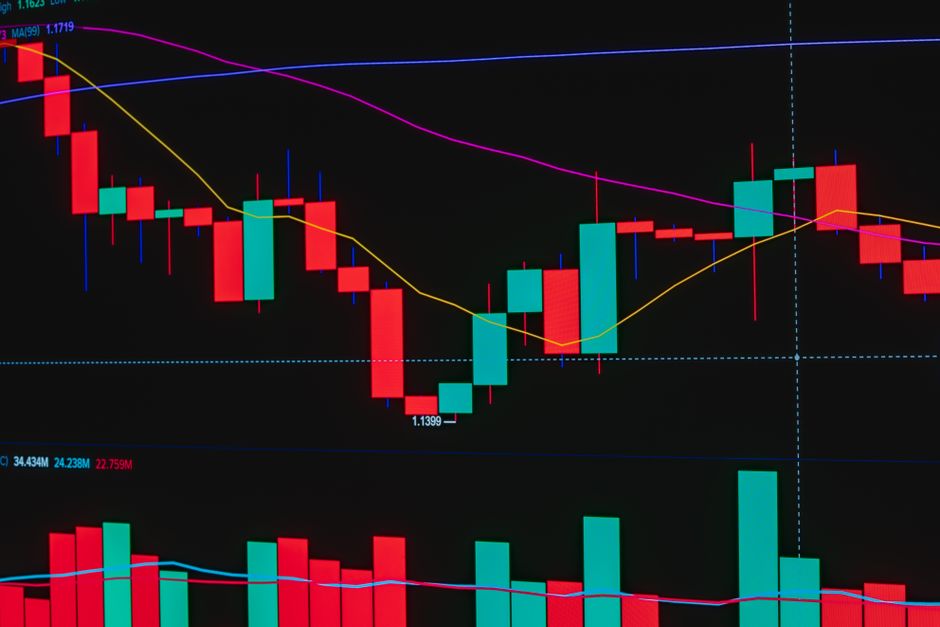
A wide opening range looks like opportunity. Large movement in the first period suggests an active session, and active sessions are where breakout strategies are supposed to earn their keep. The arithmetic often says otherwise, and it says so for a reason that is easy to check before the trade rather than after it.
Two Things Move at Once

When the range is tall, the stop placed at the opposite edge is further away. That is the obvious half. The less obvious half is that the distance still available beyond the break is smaller, because an instrument that typically travels a certain amount in a day has already spent a meaningful portion of it producing the range.
Risk went up and the realistic reward went down, from the same cause, at the same moment. A setup that offers three times risk on a normal range can offer well under one times risk on a range twice the usual height, without anything about the rules having changed.
Knowing What Normal Is
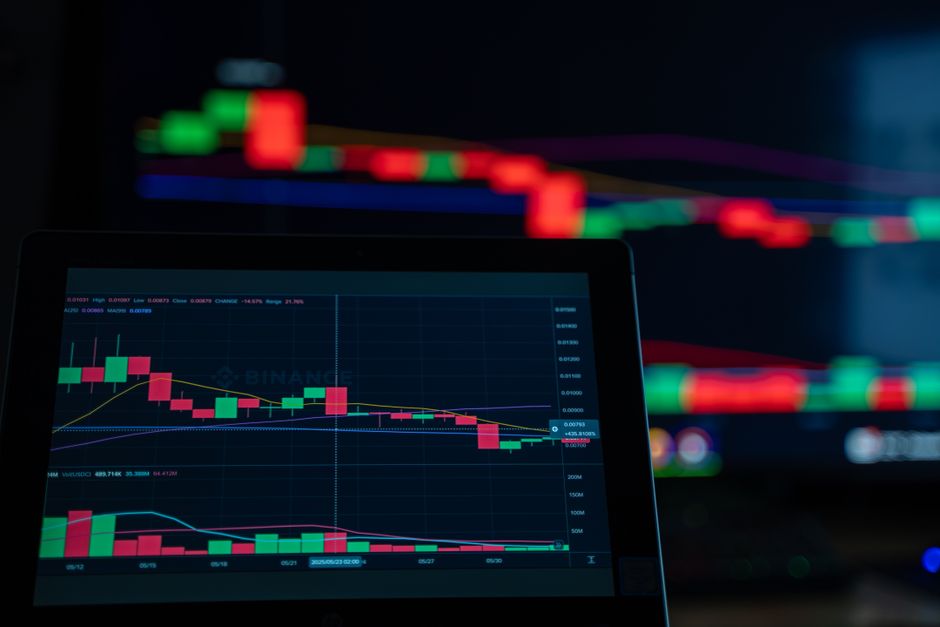
Width is meaningless in absolute terms. A range of a certain number of points is unremarkable on one instrument and extreme on another, and the same instrument behaves differently in a quiet stretch than it does in a volatile one. The only useful comparison is against that instrument's own recent history.
The practical version is to keep a running note of opening range height over the last several weeks of sessions and know roughly where the middle sits and where the upper end sits. It does not need to be precise. Knowing that today's range is comfortably the tallest in a month is enough to change the decision, and that is a judgement you can make by looking rather than calculating.
Why It Happens
Ranges widen for reasons, and the reason sometimes matters more than the width. A scheduled release landing at or near the open produces a wide range through a single violent repricing, after which the instrument frequently settles. An overnight development that participants are still absorbing produces a wide range through sustained genuine disagreement, which can continue.
The first case is the more dangerous one for a breakout rule, because the range height reflects a moment rather than a condition. The edges of that range are not levels anyone defended. They are the extremes of a spike, and breaking them means very little.
Standing Down as a Position
The difficulty is that no trade feels like failure, particularly on a day that is visibly moving. A strategy that takes one trade per session and skips the days where the arithmetic does not work is not underperforming on those days. It is declining a trade with poor expected value, which is the same decision as taking a good one, made in the other direction.
It helps to write the threshold down before the session rather than judge it in the moment. A rule that says the range may not exceed some multiple of its recent typical height is checkable in seconds and is not open to negotiation at the time it binds, which is the only time it matters. A judgement made at nine thirty five, with the range in front of you and the urge to participate already present, is not the same judgement you would have made calmly an hour earlier.
There is also an alternative to a flat skip. Reducing size on a wide range keeps the risk in money terms roughly constant even as the stop distance grows, which addresses half the problem. It does nothing about the compressed distance to target, so it is a partial answer rather than a complete one, but it is a reasonable middle position for a session where you want to stay engaged.