A Range That Overlaps Yesterday's Almost Entirely

Eighty percent overlap is roughly where a morning stops being a new session and starts being a continuation of the last one. When the opening range fits inside the previous session with that much coverage, every boundary being drawn already has history: it was traded yesterday, orders sit there from yesterday, and yesterday's participants still hold positions. Every teardown orb trading setups beekeeping for beginners has logged of these mornings shows the same thing, that the range high from the previous session frequently matters more than anything drawn today.
Measure the Overlap

Take the intersection of the two rectangles and divide it by today's width. Above about seventy percent, treat the session as inside day behaviour. Below about thirty, the two are describing different price areas and the previous session is context rather than structure. The middle band is genuinely ambiguous and is worth marking as such rather than forced into a category.
The Levels That Actually Matter
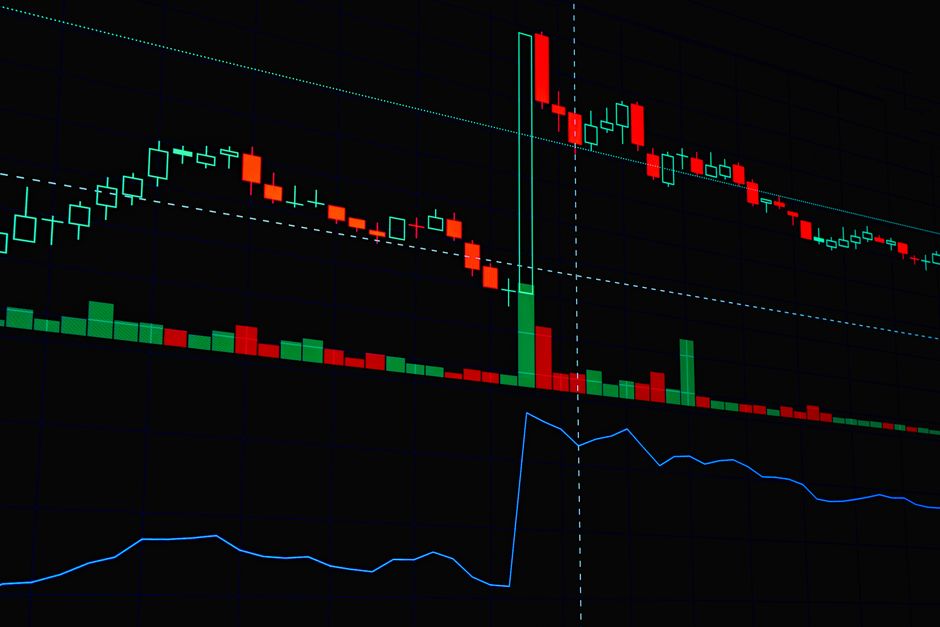
The previous day high and previous day low usually dominate. A breakout of today's boundary that runs into yesterday's high a few ticks later is not a break with room, it is a break into resistance. Drawing both sets of levels before the open and looking at where they sit relative to each other takes a minute and changes which side is worth trading.
Where a boundary from today coincides with one from yesterday, that level is stronger than either alone.
Compression and What Follows It
Heavy overlap across several sessions is consolidation, and consolidation resolves eventually. That is a statement about eventually, not about today. Traders who read a tight overlap as a coiled spring take the first break of every one of them and pay for the several that fail before the one that runs.
Why the First Break Is Less Reliable Here
The boundary sits in the middle of an area where price has already traded a great deal, so a break of it does not enter open space. There is inventory above and below, and the move stops when it reaches the next block of it. Targets set as a multiple of range height tend to overshoot what the structure will actually give.
What to Do With the Session
Two defensible plans. Take the break only in the direction with open space beyond yesterday's extreme, and skip the other side entirely. Or wait for the previous day boundary to be cleared and use that as the trigger instead of the opening range. Both are narrower than the standard rule, and narrower is the correct response to a morning where the level being traded is not the newest thing on the chart.