When the Range Edge Lands on a Round Number
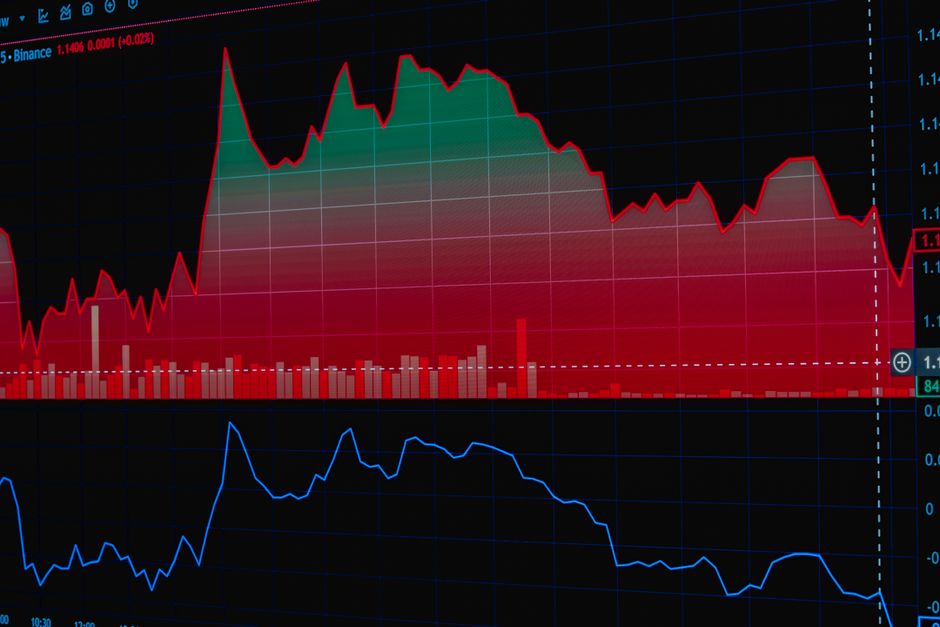
Round numbers do one thing: they attract resting orders from people who are not looking at the opening range at all. Stops from swing positions, limit orders placed days ago, option strikes and algorithmic levels all cluster at the same prices. When the boundary lands on one of them, the level is doing two jobs at once. The figures kept at orb trading setups beekeeping for beginners record the coincidence as a separate field, since a breakout through a boundary that is also a round number is clearing orders that have nothing to do with this morning.
Which Numbers Count
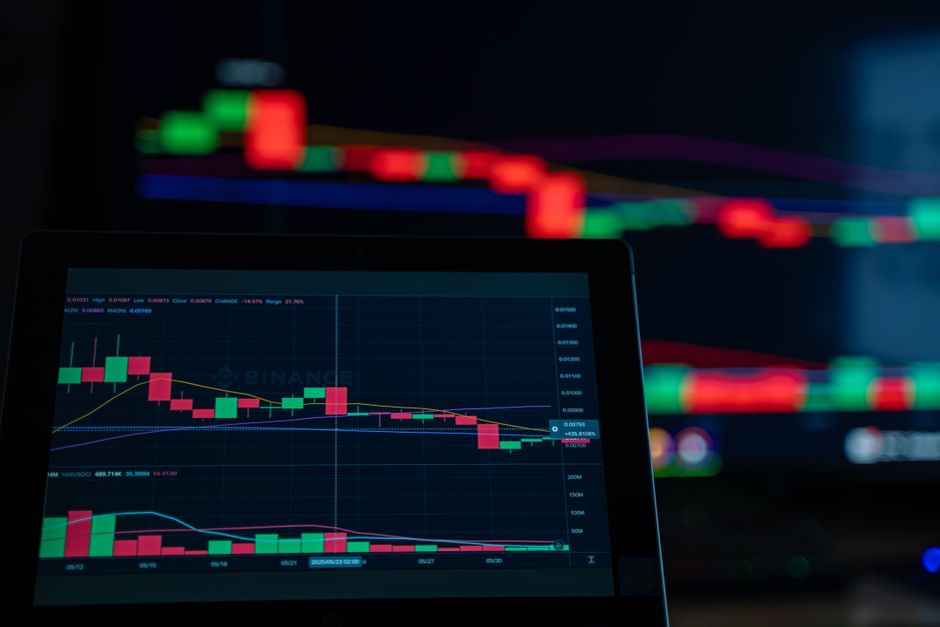
It depends on the instrument and the price. On an equity trading near fifty dollars the whole dollar and the half are meaningful and the ten cent increments are not. On an index future the hundred and the fifty matter. Writing down which increments apply to each name on the watchlist takes a few minutes once and stops the exercise degrading into finding a round number everywhere.
The Effect on the Break
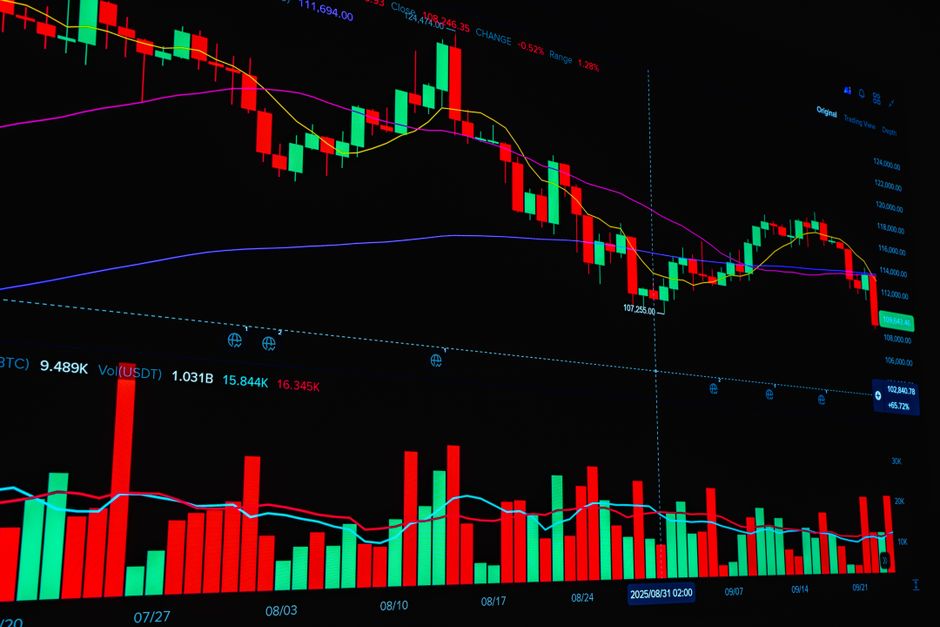
Two opposite things happen and either can dominate. The cluster of orders can absorb the break, so price pushes a few ticks through and returns, which is the standard false breakout shape. Or the cluster triggers, producing a fast move as those orders execute. The second is more common when the level has already been approached once and defended.
What matters practically is that the outcome is more binary than at an ordinary level. Small stalls are less common.
Stop Placement Gets Worse
A stop placed just beyond a round number sits exactly where everyone else has put theirs, which is the price most likely to be reached and then abandoned. Moving it a little further out, past the obvious cluster, changes the position size and is usually worth doing. The alternative is being taken out at the one price the market has an incentive to touch.
Approach Distance Matters More Than the Level
The useful measurement is not whether the boundary is round, it is how far the boundary sits from the nearest round number. A boundary three ticks below one will almost certainly interact with it. A boundary fifty ticks away is independent. Recording that distance turns a vague observation into a number that can be filtered on.
It Is a Modifier, Not a Signal
Nothing here generates a trade. It adjusts a trade the opening range rules have already produced: a wider stop, a target set beyond the cluster rather than at it, or a decision to wait for the retest instead of taking the first break. Treating a round number as a setup in its own right adds a system nobody has measured on top of one that has been.