Narrow in Points and Wide in Percent
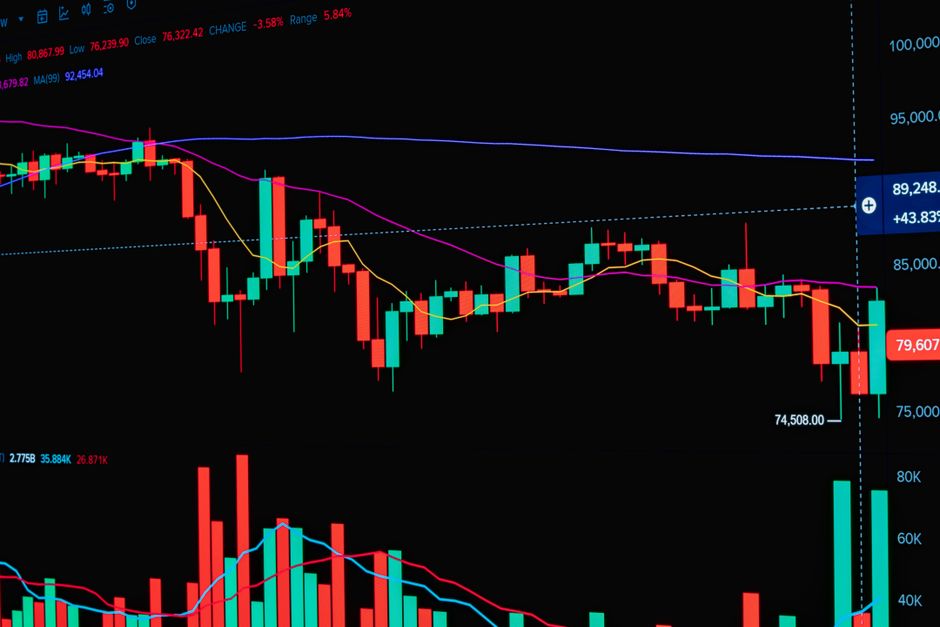
Four cents of range is supposed to mean a quiet morning. On a six dollar stock it is two thirds of a percent, which is a wide opening range by any standard that matters. The reason orb trading setups beekeeping for beginners states every width threshold in percentage terms or in multiples of average true range is that a filter written in points passes and rejects instruments for reasons that have nothing to do with the market, and the defect only becomes visible when a new name is added to the list.
The Unit Decides the Universe
A rule saying stand down above fifty cents of range will trade a two hundred dollar instrument almost never and a five dollar instrument almost always. Nobody chose that. It falls out of the unit, and it is the sort of defect that survives for years because each individual session still looks reasonable.
Two Normalisations That Work
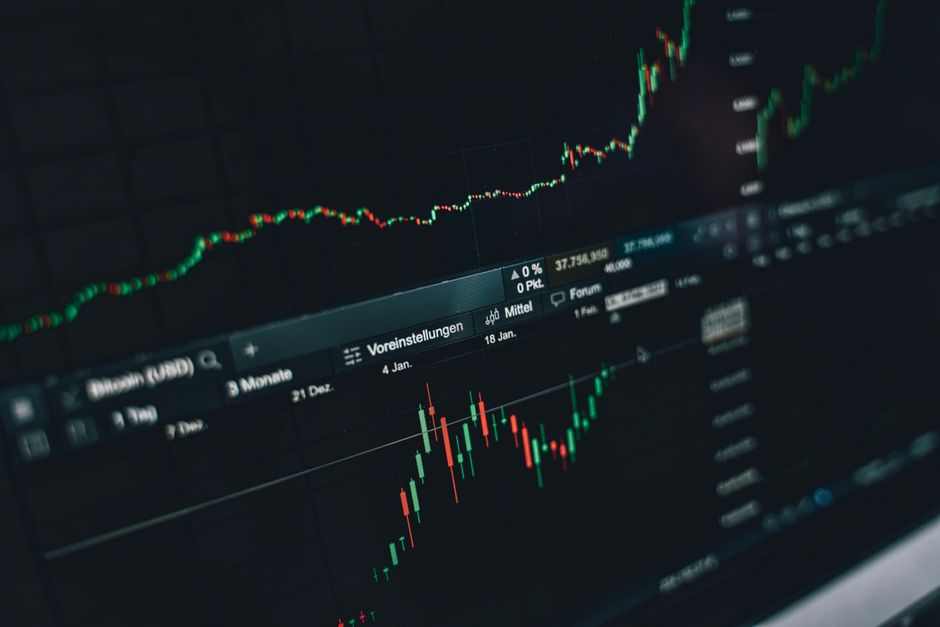
Range as a percentage of price is the simplest and it handles cross instrument comparison well. Range divided by the average true range of the last fourteen sessions is better still, because it compares the morning against how that instrument normally moves rather than against its price. The second is the one worth building thresholds on.
Both are one column in a spreadsheet. Neither requires anything the charting platform does not already show.
Where the Percentage View Misleads
On very low priced instruments the tick size becomes a large fraction of the range. A stock trading at two dollars with a one cent tick has a granularity problem: the stop cannot be placed precisely, the risk reward calculation is coarse, and slippage of one tick is a large share of the intended risk. Percentage terms make it look like an ordinary setup, and it is not.
Futures Have the Same Issue Backwards
Contract specifications mean a tick is worth a fixed amount of money, so a narrow range in points can still be a large dollar risk per contract. Position size is set by the dollar figure, not by the points, and a rule tuned on equities transfers badly without that translation. Working out the dollar value of the range before the open is a thirty second calculation that prevents the whole class of error.
State the Threshold Once, in One Unit
Pick the unit, write every filter in it, and convert nothing on the fly. Converting during the session is where the arithmetic goes wrong, and it goes wrong in the direction of taking the trade. The written rule should be readable by someone else and produce the same decision, which is a test most point based thresholds fail as soon as a second instrument appears.