Recording Range Measurements So They Compare
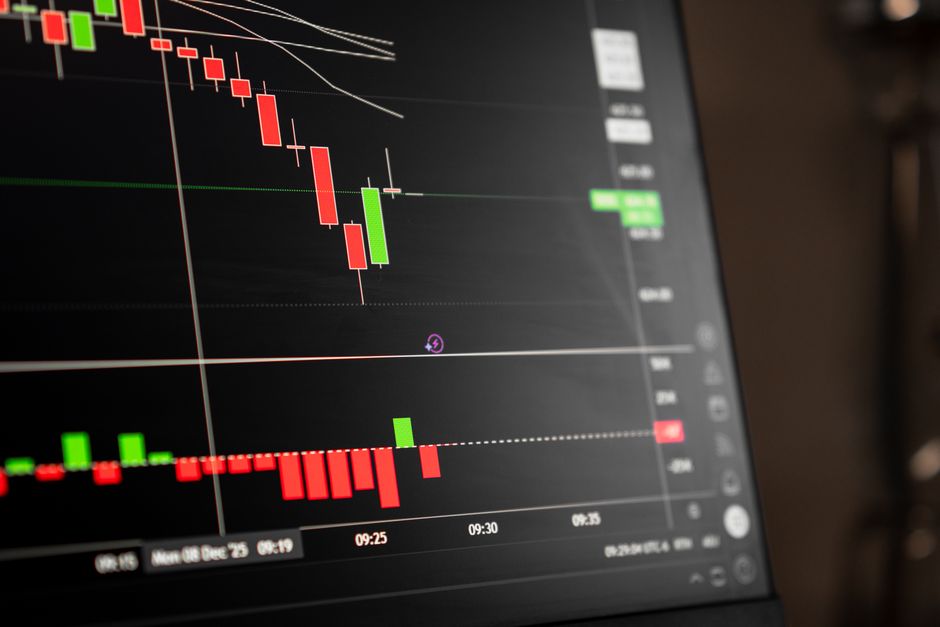
On an instrument whose average range has halved since the spring, every width recorded before then is measuring a different market, and a log that does not say so is quietly comparing incomparable things. Recording an opening range is not writing down two prices. It is capturing enough context, the average true range at the time included, that a session from March can be read against one from September, and the fields, which is the whole point of the schedule published at orb trading setups beekeeping for beginners, have to be decided before the record starts rather than added later when something looks interesting.
The Fields That Actually Compare
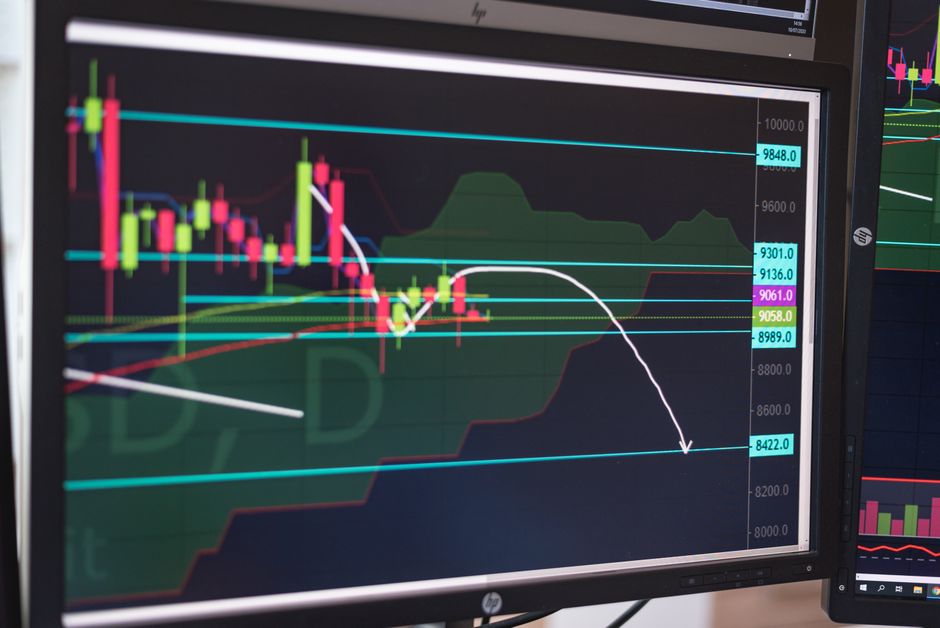
Range high, range low, width, width divided by the average true range at the time, where the period closed inside the range as a fifth, relative volume during the period, and the gap size relative to the previous close. Seven fields. All of them are available within a minute of the period ending, and all of them are numbers rather than descriptions.
Descriptions do not compare. A note saying the range looked tight is unusable six months later.
Normalise at the Time, Not Afterwards
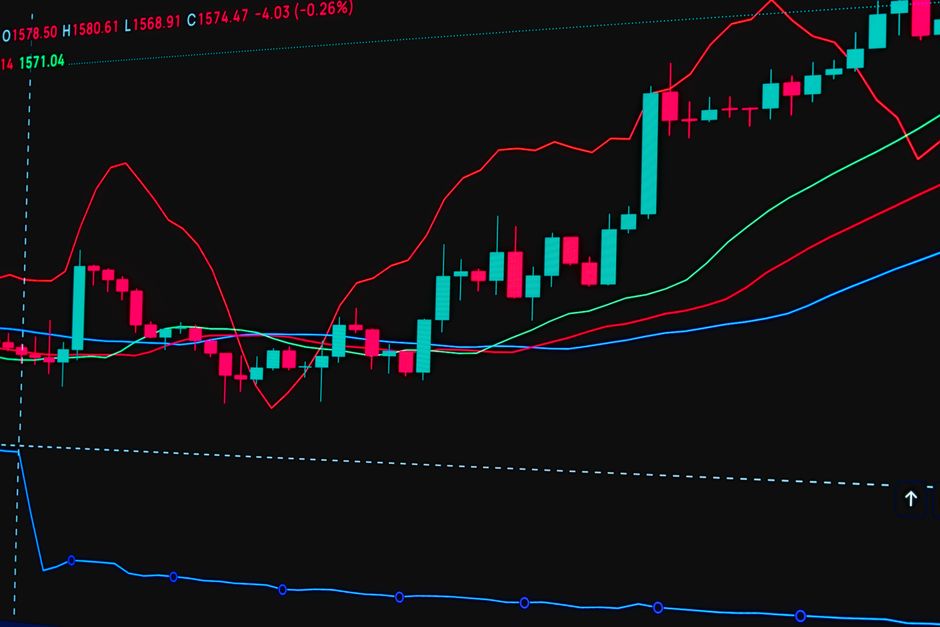
The normalising figure has to be captured on the day. Reconstructing what the average true range was in April requires historical data that may not still be available at the same settings, and it invites a subtle error where the normalisation uses today's volatility on an old session. Writing the number down while it is on the screen costs three seconds.
One Row per Session, Including the Ones With No Trade
Sessions that produced no setup still produced a range, and excluding them makes the whole dataset conditional on having traded. That single omission is what makes most personal records unusable for anything except reviewing individual trades, because the denominator is missing. The row gets written whether or not anything happened.
Keep the Instrument and the Convention on Every Row
Which instrument, which range length, and whether the extremes are wick or body. These feel obvious while the routine is stable and become critical the first time any of them changes. A dataset that silently mixes a 15 minute range from last year with a 30 minute range from this one will produce a confident and wrong answer.
Plain Text Beats a System
A spreadsheet with fixed columns survives platform changes, subscription lapses and a change of computer. Elaborate journaling software holds the data somewhere hard to export and impossible to run a calculation across. The requirement is that a year of sessions can be sorted, filtered and averaged in under a minute, and a spreadsheet does that today and in five years.