A Range Built From a One Direction Drift
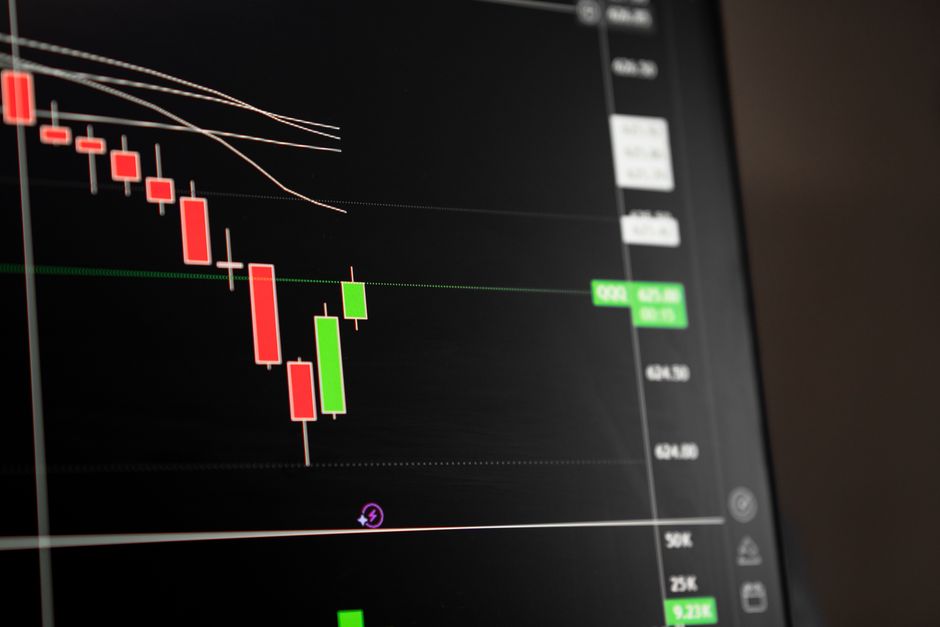
The tape goes quiet on these mornings. Instead of the bursts and pauses of a two sided open there is a steady trickle of small prints walking price in one direction for the whole period. Every teardown orb trading setups beekeeping for beginners has logged of a drift formed opening range reaches the same structural fact, that the range low was set in the first minute and never revisited, so by the time the period ends one boundary is fifteen minutes old and stale while the other is current.
One Boundary Is Live, One Is Not

A level price left forty five minutes ago in market terms is not a level anyone is currently defending. Orders sit near the action, and on a drift the action has been steadily moving away from the stale side. Treating the two boundaries symmetrically is the error, and it shows up as a stop placed at the far edge that is much further away than the risk model assumed.
The Break Is Usually With the Drift
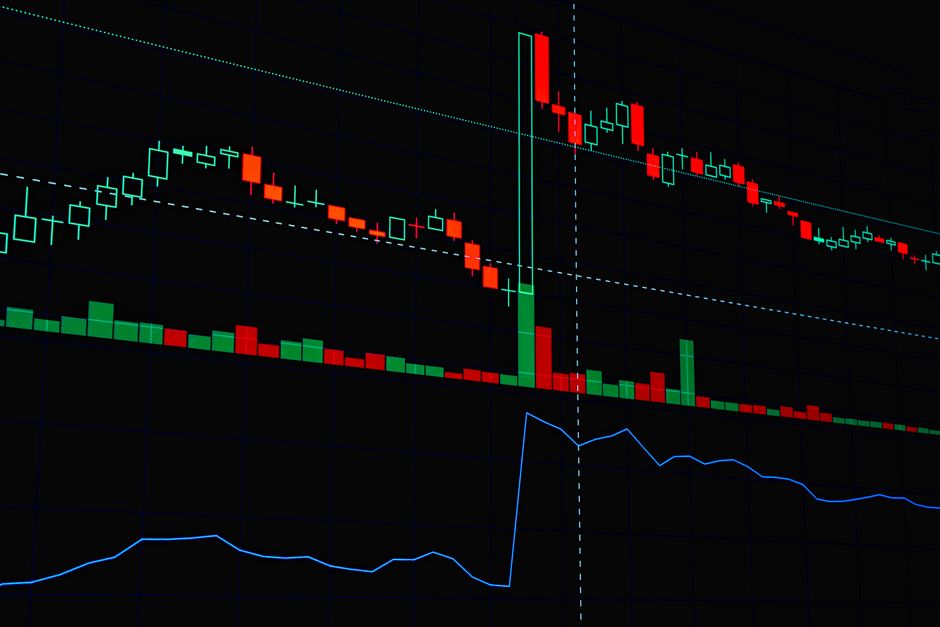
Continuation in the direction of the drift is the common outcome, and it is also the outcome that pays least, because price has already travelled the width of the range to get there. Entry at the boundary is entry after a fifteen minute move, so the location is poor even when the direction is right.
The reversal, when it comes, is faster and larger. That asymmetry is worth measuring rather than assuming, and it differs by instrument.
Where the Stop Actually Belongs
Not at the stale extreme. A more defensible reference is the low of the last pullback inside the drift, or a multiple of average true range from the entry. Both give a stop that relates to current activity. Using the full range width means either a position size so small the trade cannot pay, or a normal size against a risk nobody measured.
Volume Says Whether It Continues
A drift on rising relative volume is accumulation and tends to continue past the boundary. A drift on falling volume through the period is a market with nobody on the other side, and those reverse hard once a real seller appears. Rvol read at the end of the range period separates the two more reliably than the shape does.
Consider the Second Range
Marking a 30 minute range on drift mornings often produces a much better structure, since the extra fifteen minutes usually contains the first pause and gives a boundary that has been tested. The cost is a later entry. The benefit is a stop that means something, and on this particular shape that trade is usually worth making.