When Both Extremes Are Set in the First Minute
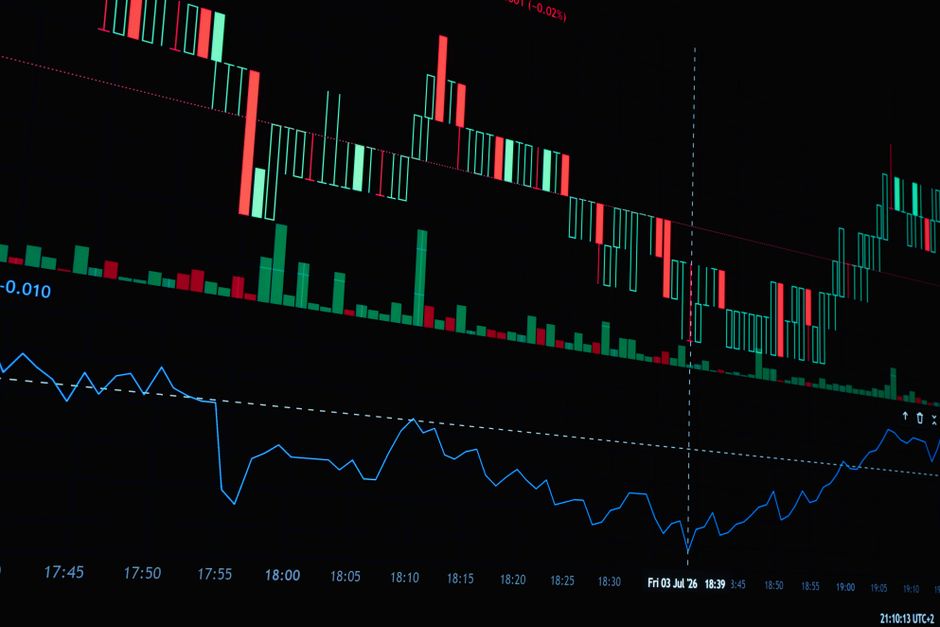
The noise of the first sixty seconds is the loudest part of any session, and on some mornings it is also the entire range. Both extremes print inside that first minute and the remaining fourteen are quiet by comparison. The figures kept at orb trading setups beekeeping for beginners treat that as a distinct condition rather than an ordinary opening range, since the setups it produces are narrower and the shape of what follows was decided by an auction that finished before most people had read the premarket levels.
What the Remaining Minutes Are Reporting
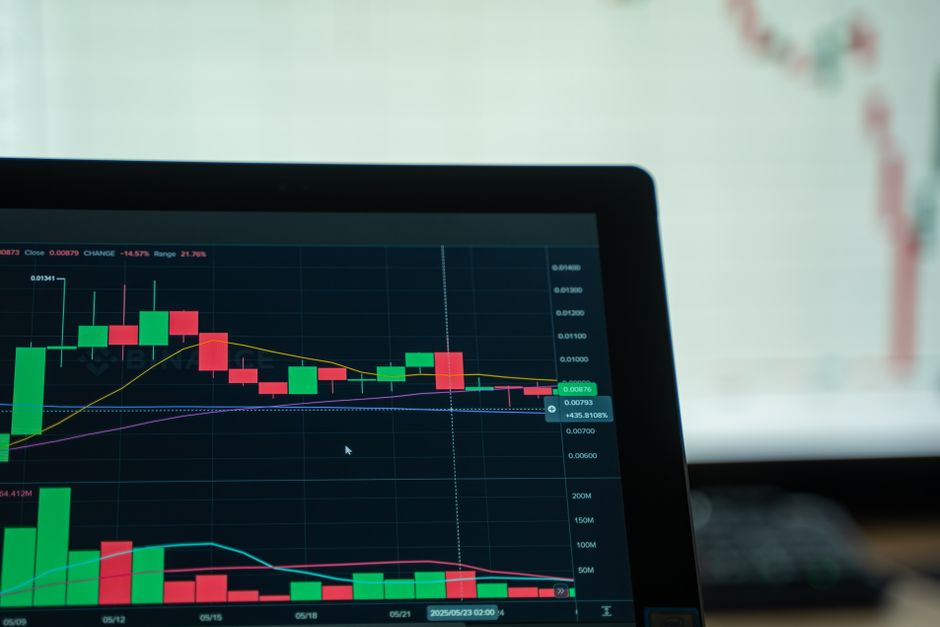
They are reporting acceptance. Once the extremes are fixed, every subsequent candle is price deciding where inside that band it wants to sit, which is a different question from how far it can travel. A period spending fourteen minutes drifting toward one edge is building a case. One oscillating around the midpoint is not.
The useful record is where the volume accumulated during those quiet minutes, since that is the level a retest gets measured against.
The Range Is Usually Wide
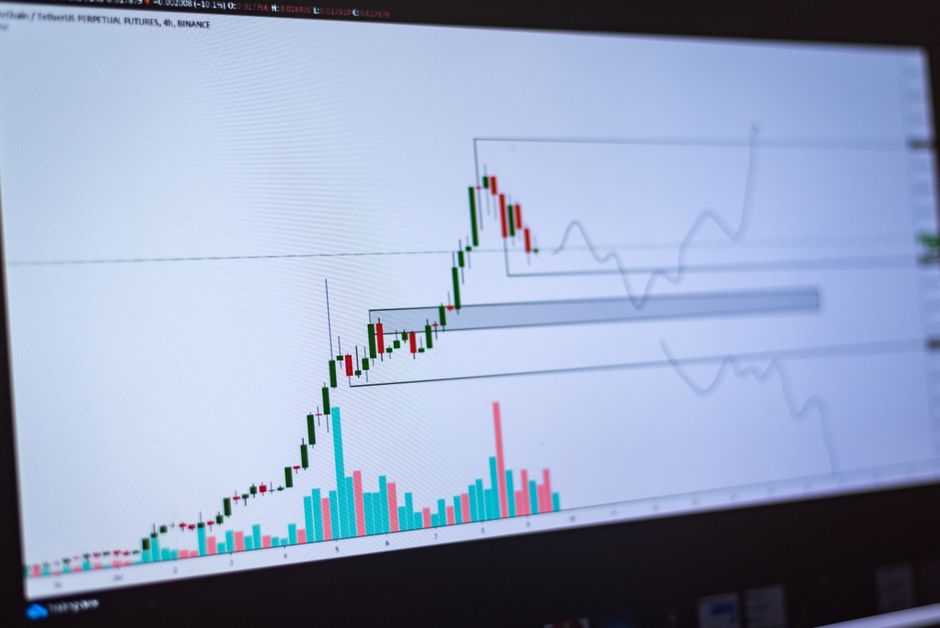
A minute containing both extremes is a minute with a large true range, and the resulting boundaries sit further apart than the instrument's recent average. That has a direct effect on position size, because the stop distance is set by the range and the range is unusually large. Sizing off habit rather than off the measured distance is the standard error here.
Why the Break Is Often Weak
The energy has already been spent. A breakout works partly because a level contained price for a while and then failed. A level set in the first sixty seconds and never revisited has contained nothing. Break attempts on these mornings frequently stall a few ticks beyond the edge and return inside, which is the classic false breakout shape.
What to Wait For
A test of one edge from the inside, late in the period or just after it, is worth more than the break itself. It converts an untested boundary into a tested one. On sessions where that test never comes, the honest read is that there is no setup, and the alternative is trading a level nothing has confirmed.
The other reasonable wait is for a second range. Marking a 30 minute range alongside the 15 minute one gives a boundary that had time to form, and on these particular mornings it is often the one that behaves.
Tag It in the Log
One field, recording whether both extremes were in place inside the first minute. Over a quarter it separates cleanly from ordinary mornings, and the answer tends to be specific to the instrument. A single name gapping on news does this often. An index future does it rarely, and the same rule should not be applied to both without checking.