Reading an Opening Range That Formed on a Gap

An opening range that forms after a gap is working against a different backdrop from one that forms after a flat open. The move already happened overnight. Participants arriving at the bell are reacting to a price that has changed without them, and the period that follows is frequently an adjustment rather than a discovery.
The Range Is Not the Beginning
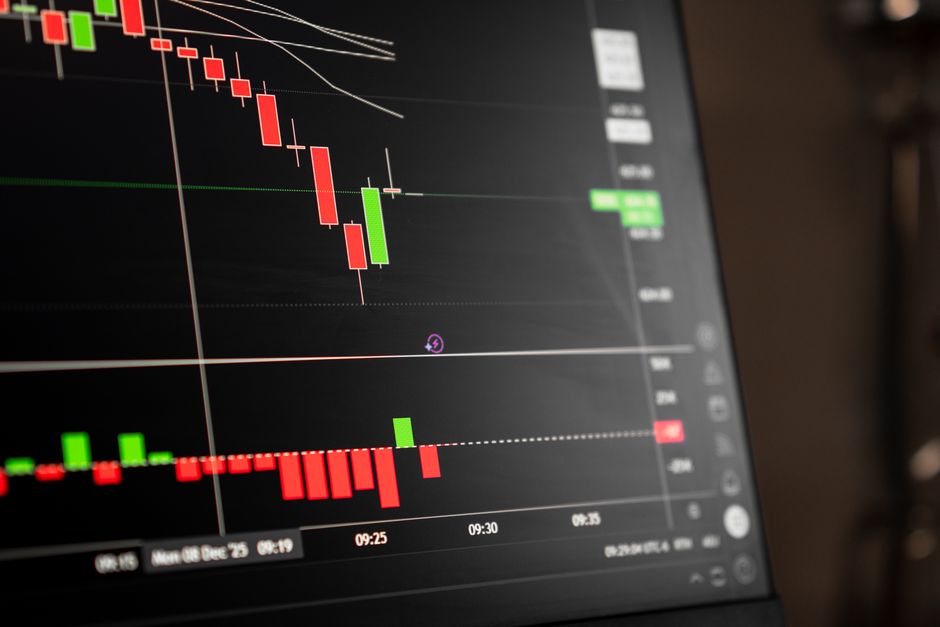
On a flat open, the opening range is roughly where the day starts. Positioning is being established, and the edges of the range are the first levels the session produces. On a gap, positioning was established hours earlier in a thinner market, and the opening range is a second look at a decision already taken.
This changes what a break represents. A break of the range high on a flat open is the session extending beyond its own first attempt. A break of the range high on an upward gap is the session confirming an overnight move that was made by different participants in different conditions. The second is not automatically weaker, but it is a different claim and the previous close is now a reference point sitting some distance below.
Three Ways It Resolves

The first is continuation. The gap holds, the range forms in the upper portion of the move, and the break extends in the gap's direction. Overnight participants were right and the regular session agrees.
The second is the fill. Price works back toward the previous close, and the range becomes the staging area for that reversal. A break of the range low in this case is a break in the direction of the gap fill, which frequently has more room available than the continuation trade does, because the previous close is a real destination that other participants are also watching.
The third, and the most awkward, is neither. The instrument holds most of the gap, refuses to extend, and drifts sideways for hours. The range breaks in both directions across the session without going anywhere, which is the outcome that costs a breakout rule the most.
Size of the Gap Matters
A small gap is close to a flat open and can mostly be treated as one. A large gap is a different situation, because the distance back to the previous close is large enough to be a meaningful target in its own right and because a large overnight move usually reflects something specific rather than drift.
The useful comparison, as with range height, is against what is normal for that instrument. A gap that would be extraordinary on a broad index is unremarkable on a single name that reported results the previous evening.
What to Check Before the Bell
Whether the instrument gapped and by how much, where the previous close sits relative to the developing range, and whether the gap has an identifiable cause. The last one is the one people skip, and it is the one that separates a gap that will hold from a gap that is already fading before the range has finished forming.
None of this argues for skipping gap sessions. It argues for knowing that the previous close is now a live level, sitting on one side of your range, capable of pulling price toward it. A target set without reference to it, or a stop placed in front of it, is being set in ignorance of the most obvious magnet on the chart.